
Back-to-School Traffic Safety Tips for August
As students return to classrooms in August, roads become noticeably busier and more complex to navigate. National Traffic Awareness Month serves as a timely reminder of the importance of mindful driving and responsible road habits. With more children walking, biking, and riding buses, staying aware of these seasonal shifts can help prevent accidents. A bit of extra attention from drivers, parents, and caregivers can make the entire community safer.
Understanding the Back-to-School Traffic Shift
When summer ends, traffic patterns change almost overnight. School zones that sat quiet for months suddenly fill with parents, buses, young pedestrians, and new teen drivers. Morning and afternoon commutes become more crowded, and neighborhoods around schools see a significant rise in activity. These changes create an environment where caution is essential.
Drivers may encounter more frequent stops, unpredictable crossings, and busy intersections near campuses. Younger children may have limited awareness of road dangers, making them more vulnerable. Identifying these seasonal risks early helps everyone adjust and take safer actions behind the wheel.
School Bus Awareness and Safety
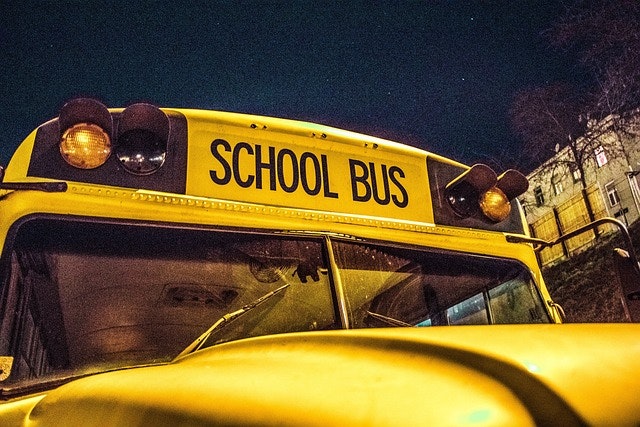
School buses are a major part of back-to-school traffic, and they bring specific safety needs that all drivers must understand. Keeping a safe distance from buses is especially important because the 10-foot zone surrounding them is considered the most hazardous for students boarding or exiting. Children may step into the roadway unexpectedly, particularly when crossing in front of a bus.
By giving buses extra space, drivers gain more time to react when flashing lights or stop arms activate. Staying patient and aware during these moments helps prevent dangerous situations. Slowing down and preparing to stop whenever a bus signals creates a safer environment for the children it transports.
Sharing Roads With Walkers and Bicyclists
Back-to-school season also brings an increase in children walking or biking to class. This makes it especially important for drivers to stay vigilant and anticipate pedestrian activity. Yielding at crosswalks and avoiding passing stopped vehicles ensures that anyone crossing the street stays visible and protected.
Young cyclists can be unpredictable, often emerging from driveways or passing between parked cars. Drivers should remain cautious and attentive in areas where children are likely to ride. Checking mirrors before opening a car door is a simple precaution that prevents accidents involving passing cyclists.
These situational awareness habits help create safer streets for everyone—especially young road users who may not always understand traffic patterns.
Improving Drop-Off and Pick-Up Safety
School drop-off and pick-up procedures can be hectic, making consistency vital for safety. Following the school’s designated process helps reduce confusion and prevents hazardous behaviors such as stopping in unapproved areas or blocking traffic.
When all drivers follow the same routine, the flow of vehicles becomes smoother and more predictable. Parents and caregivers who allow a few extra minutes for proper drop-off practices contribute to a safer environment for all students, staff, and families in the area.
Teaching Children Essential Road Safety Skills
Although adults carry much of the responsibility for safety, teaching children good habits is equally important. Young kids—especially those under 10—need consistent guidance when navigating roads or crossing busy areas. Supervision is essential, but so is reinforcing key safety routines.
Encouraging children to stop, look both ways, and listen for oncoming traffic builds lifelong habits. Directing them to use crosswalks improves visibility for drivers and reinforces safer practices. When using bikes or scooters, protective gear such as helmets and kneepads adds an important layer of protection.
Keeping distractions like mobile devices out of children’s hands near roadways helps them stay alert. These skills support safe behavior now and prepare them for greater independence in the future.
Working Together for Safer Roads
Creating safer streets during the school season requires teamwork among drivers, families, and children. Simple commitments—like slowing down in school zones, watching for pedestrians, and respecting crossing guards—can prevent avoidable accidents.
Even small actions make a meaningful difference. Double-checking for children before turning, easing your speed near campuses, or planning extra time for your commute are all ways to support safer roadways. Collective awareness strengthens community safety and protects those most at risk.
Preparing for a Safe School Year
The return to school does not need to bring increased risk. With thoughtful choices and mindful driving, both families and motorists can help ensure a smooth and safe transition into the new school year. Recognizing potential hazards and taking steps to reduce them creates a safer experience for everyone on the road.
If you have questions about traffic safety, liability concerns, or ways to better protect your family, professional support can help. Reach out to our team at T.H.E. Insurance Group for guidance and insights to keep you informed and prepared as the school year begins.