
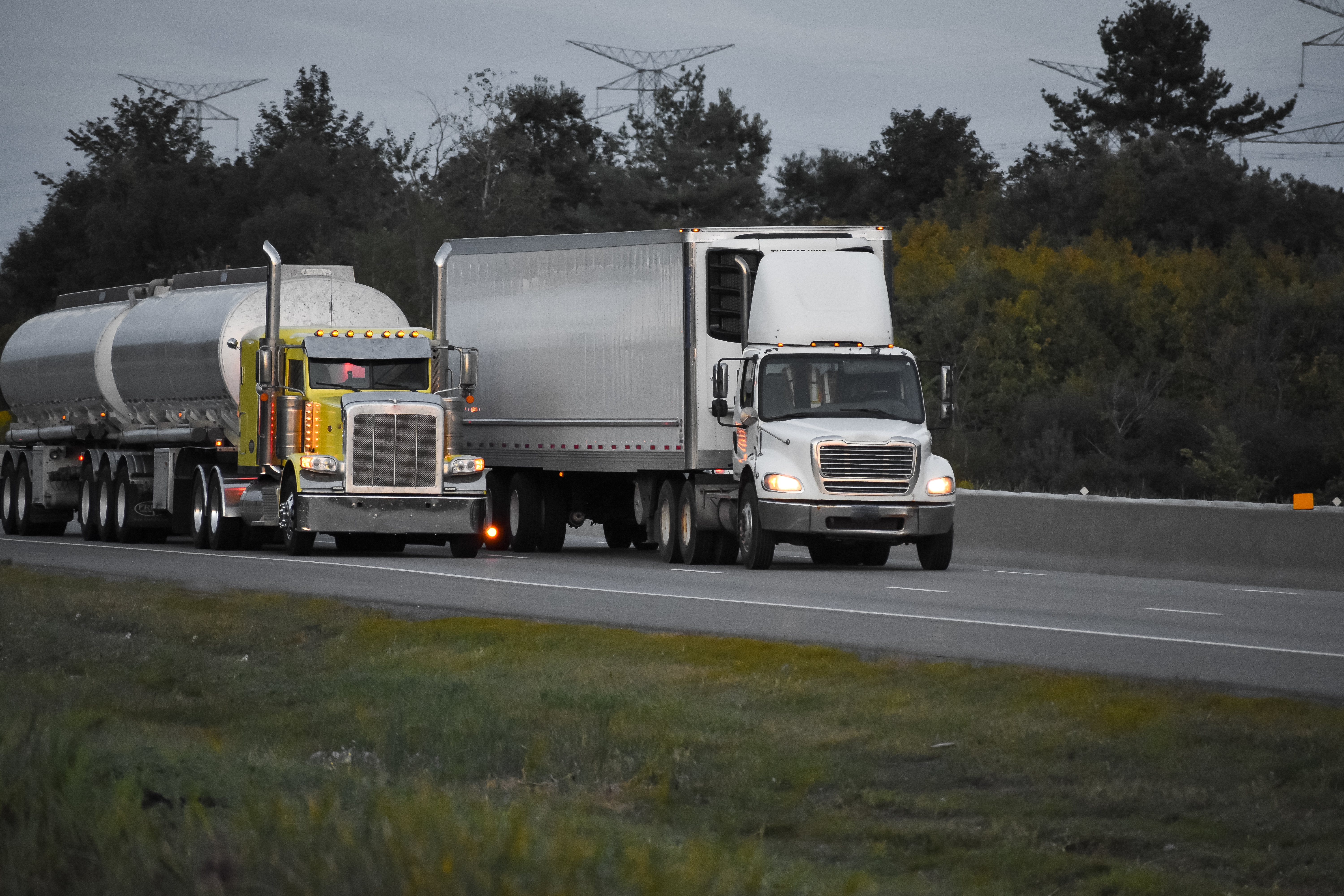
Commercial Driver Safety Tips for Deer Season
Fall brings shorter days and changing road conditions, making seasonal driving safety an important priority for businesses with employees on the road. Deer activity increases during this period, especially around sunrise and sunset when reduced visibility can make wildlife more difficult to spot.
For businesses that depend on commercial vehicles, a deer strike can affect far more than the vehicle itself. Injuries, service interruptions, delivery delays, missed appointments, and unplanned downtime can all follow. A timely reminder about deer collision safety can help protect drivers, vehicles, and daily operations throughout the season.
Why Fall Creates More Deer Collision Risks
Deer are more active during the fall, with October through December requiring added attention from commercial drivers. Their movement is often greatest at dawn and dusk, when many drivers are traveling in lower-light conditions and deer may enter the roadway with little notice.
Routes near woods, fields, rural areas, and posted deer-crossing zones deserve extra caution. Even a familiar drive can become less predictable when deer activity rises, so drivers should treat every trip as an opportunity to stay alert to changing roadside conditions.
Keep Drivers Focused on Their Surroundings
One of the best ways to lower the chance of a deer collision is to encourage drivers to watch the full driving environment, not just the pavement ahead. Deer can emerge quickly from medians, ditches, fence lines, tree lines, and vegetation along the road.
Employees making service calls, moving between jobsites, or spending extended hours behind the wheel should limit distractions and stay especially observant near sunrise and sunset. Consistent awareness gives drivers more time to notice movement, assess the situation, and respond safely.
Slow Down Where Deer Are Likely to Appear
A vehicle's speed directly affects how much time a driver has to react. Reducing speed in places where deer are commonly present gives commercial drivers additional time to see a hazard, brake in a controlled manner, and keep the vehicle under control.
Traveling at or below the posted speed limit can provide crucial extra seconds when a deer moves into the lane unexpectedly. Those seconds may help prevent a more serious crash and reduce the risk of disruption to the business.
Assume Another Deer May Be Nearby
Seeing one deer cross the road does not necessarily mean the risk is over. Deer often travel together, and a second or third animal may follow shortly after the first has crossed.
Drivers should continue scanning both sides of the roadway after spotting a deer. This is especially important for operators of trucks, vans, trailers, and vehicles carrying inventory, equipment, or passengers, as larger or loaded vehicles commonly need more distance to stop safely.
Use High Beams When It Is Safe to Do So
Good visibility is particularly important during the darker months of the year. When there is no oncoming traffic, high beams can help illuminate more of the road and roadside area, giving drivers a better chance to identify deer earlier.
Additional light does not mean a deer will move out of the way immediately. Deer can pause or freeze when startled, so drivers should be ready to brake while also remaining aware of traffic and road conditions around them.
Brake Safely Rather Than Swerving
When a deer suddenly enters the road, a driver may instinctively try to steer around it. However, swerving out of the travel lane can create a more serious hazard than striking the animal.
An abrupt maneuver can lead to a collision with another vehicle, a tree, a guardrail, or an oncoming vehicle. It can also send a vehicle into a ditch. In most circumstances, controlled braking while remaining in the lane is the safer response because it supports better vehicle control.
Know What to Do Following a Deer Strike
Careful driving cannot prevent every wildlife collision. Businesses should make sure their drivers know what steps to take if an incident occurs so they can respond safely and document the event appropriately.
If it can be done safely, the driver should move the vehicle to a secure location before checking for injuries to themselves or passengers. Emergency medical help should be requested when immediate care is needed, and local law enforcement should be contacted when appropriate.
Drivers should not approach an injured deer. A wounded animal may react unpredictably and create another safety concern. Before reporting the collision, employees should take photographs of the damage and write down important details while the information is still clear.
Review Commercial Auto Coverage Before Peak Deer Activity
Fall is also a practical time to review commercial auto insurance coverage. In many cases, damage caused by striking a deer or another animal is generally addressed through the comprehensive portion of a commercial auto policy instead of collision coverage. Businesses with liability-only coverage should recognize that repairs to their own vehicles are generally not included.
In addition to examining coverage, companies can revisit vehicle schedules, deductibles, driver reporting steps, and claims expectations. Preparing before an incident happens can reduce uncertainty and help the business respond more smoothly if a deer collision occurs.
Seasonal safety reminders are a straightforward but meaningful way to reinforce sound driving habits and protect employees, commercial vehicles, and business operations. If you have questions about commercial auto insurance or would like to review your existing coverage, contact T.H.E. Insurance Group. Our team is happy to help you understand your options and prepare your business for deer season.