
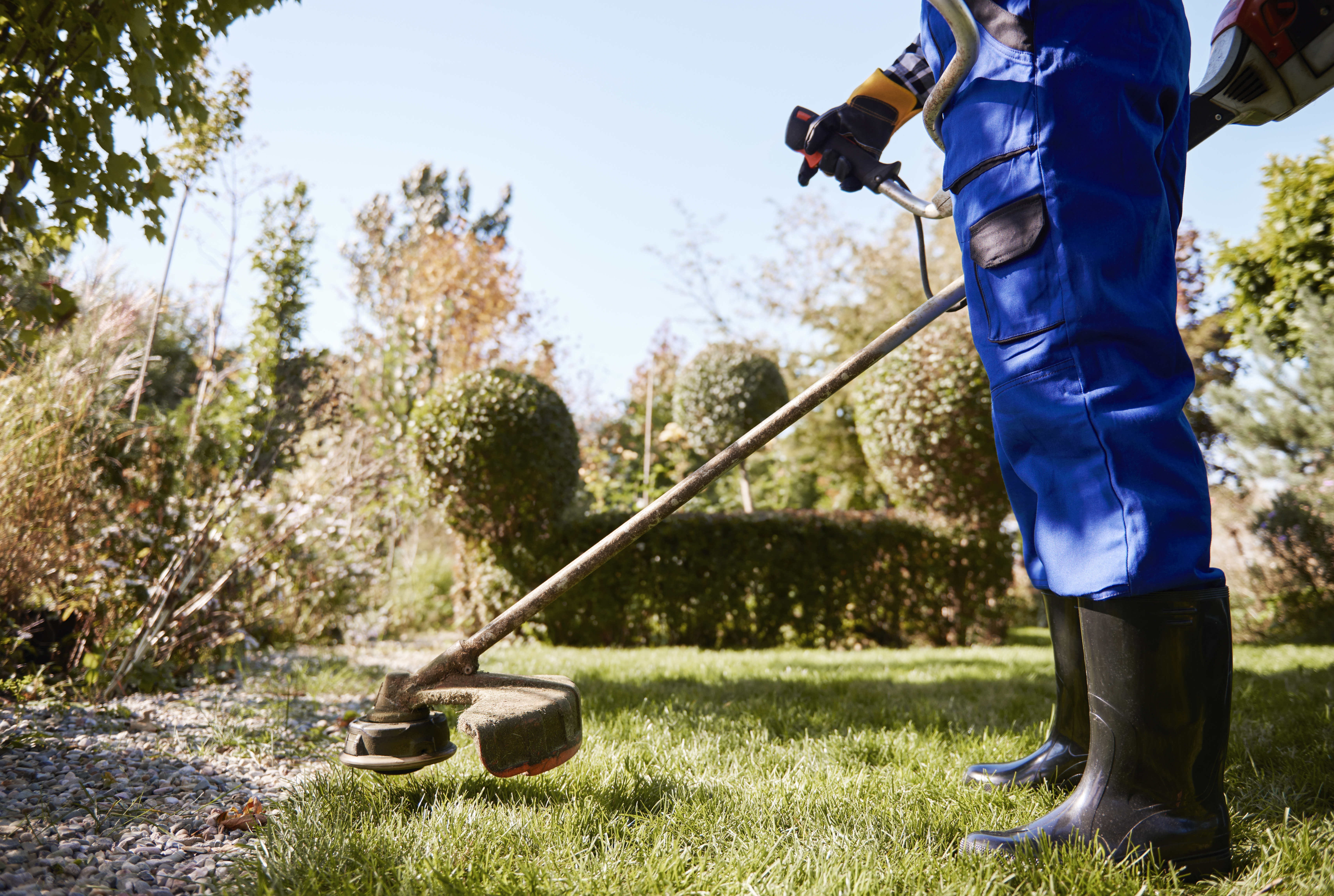
Essential Spring Safety Tips to Protect Your Outdoor Workforce
As spring returns and outdoor jobs ramp up, it’s the perfect opportunity to spruce up your commercial property and get your team back into a productive routine. But while the warmer weather can boost morale and efficiency, it also brings certain seasonal hazards that business owners shouldn’t overlook. A little proactive attention now can help you avoid preventable injuries, property damage, and costly insurance claims down the road.
Below are practical, easy-to-implement ways to reduce spring-related risks and keep your workplace safe for everyone.
Inspect Outdoor Spaces for Winter Damage
Winter weather is tough on outdoor surfaces. Freezing temperatures, snow, and ice can create cracks, unstable steps, potholes, and uneven pathways—issues that often go unnoticed until someone gets hurt.
Walk your property slowly and look closely at areas such as stairways, parking lots, ramps, and sidewalks. Any hazards you spot—whether it’s chipped concrete, loose edges, or unexpected dips—should be addressed promptly. Simple fixes like patching holes, repainting stair edges, or installing slip‑resistant mats can make a big difference. Tackling these repairs early helps prevent future accidents and larger, more expensive structural issues.
Declutter Walkways and Work Zones
Outdoor work areas tend to gather items over time—hoses, cones, tools, leftover materials, and more. When these items pile up in high‑traffic areas, they become easy tripping hazards for employees or visitors.
A quick cleanup can dramatically improve safety. Store equipment in designated areas, secure loose cords, and remove anything blocking pathways. Keeping outdoor spaces organized not only helps prevent injuries but also boosts your team’s efficiency.
Check Outdoor Tools and Machinery Before Use
As soon as the season’s outdoor work begins, tools and equipment like leaf blowers, trimmers, pressure washers, and lawnmowers return to regular use. Before anyone powers up these machines, it’s wise to inspect them thoroughly.
Check cords for fraying, confirm that switches and safety guards are working correctly, and look for any loose or cracked parts. Repair or replace anything that seems worn out. These quick inspections reduce mechanical failures and help keep your team safe on the job.
Ensure Ladders Are Safe and Stable
Spring tasks such as cleaning gutters, changing exterior signage, or trimming trees often require ladder use. However, ladders can lead to serious injuries if used improperly.
To minimize risks, make sure ladders are sturdy, placed on flat ground, and tall enough for the task at hand. Remind your team to avoid reaching too far to the side, maintain three points of contact, and position ladders securely. A brief safety refresher can significantly reduce fall-related incidents.
Protect Employees from Overexertion
With spring projects often involving heavy lifting, hauling materials, or unfamiliar tasks, overexertion becomes a common concern. These activities can lead to strains, sprains, and back injuries—especially after winter downtime.
Encourage workers to use proper lifting techniques, such as bending their knees instead of their back, keeping loads close to their body, and avoiding sudden twists. Reinforce the importance of asking for help with oversized or heavy items. These simple guidelines can prevent painful injuries and keep your team working comfortably.
Update and Inspect Safety Gear
Outdoor work exposes employees to seasonal hazards like debris, overgrown vegetation, or roadside traffic. Ensuring your team has adequate protective gear is a crucial step in preventing accidents.
Check that workers have gloves, strong footwear, protective eyewear, and high‑visibility clothing when needed. On sunny days, sunglasses can reduce glare and protect vision. Refreshing safety gear sends a clear message that you value employee well‑being.
Prepare for Heat, Sun, and Insect Exposure
As the weather warms, workers face additional challenges like strong sunlight, rising temperatures, insects, and irritant plants. Without proper precautions, these factors can lead to heat stress, sunburns, allergic reactions, or insect bites.
Encourage workers to stay hydrated, apply sunscreen, and take breaks in shaded areas. Bug spray, hats, and long sleeves can also provide protection—especially for tasks in tall grass, wooded areas, or during peak heat hours. A few preventive steps can help avoid discomfort and potential sick days.
Review Emergency Procedures and Supplies
Spring is an ideal time to double‑check your emergency readiness. In unexpected situations, fast and informed action can protect both people and property.
Inspect fire extinguishers, smoke detectors, and first‑aid kits to ensure everything is stocked and functioning. Review emergency response procedures with your staff so everyone knows what to do. Staying prepared gives your team confidence and strengthens overall workplace safety.
Strong Insurance Coverage Remains Essential
Even with excellent safety habits in place, accidents can still happen. That’s why reliable commercial insurance remains a crucial safeguard for your business. Policies like workers’ compensation and general liability offer important protection when things don’t go as planned.
If you’re unsure whether your current coverage still fits your needs, spring is the perfect time to reevaluate. With outdoor projects increasing, it’s important to confirm that your policy aligns with the season’s demands.
Need expert guidance reviewing your commercial insurance? Give us a call—we’re here to make sure your business is fully protected as spring gets underway.