
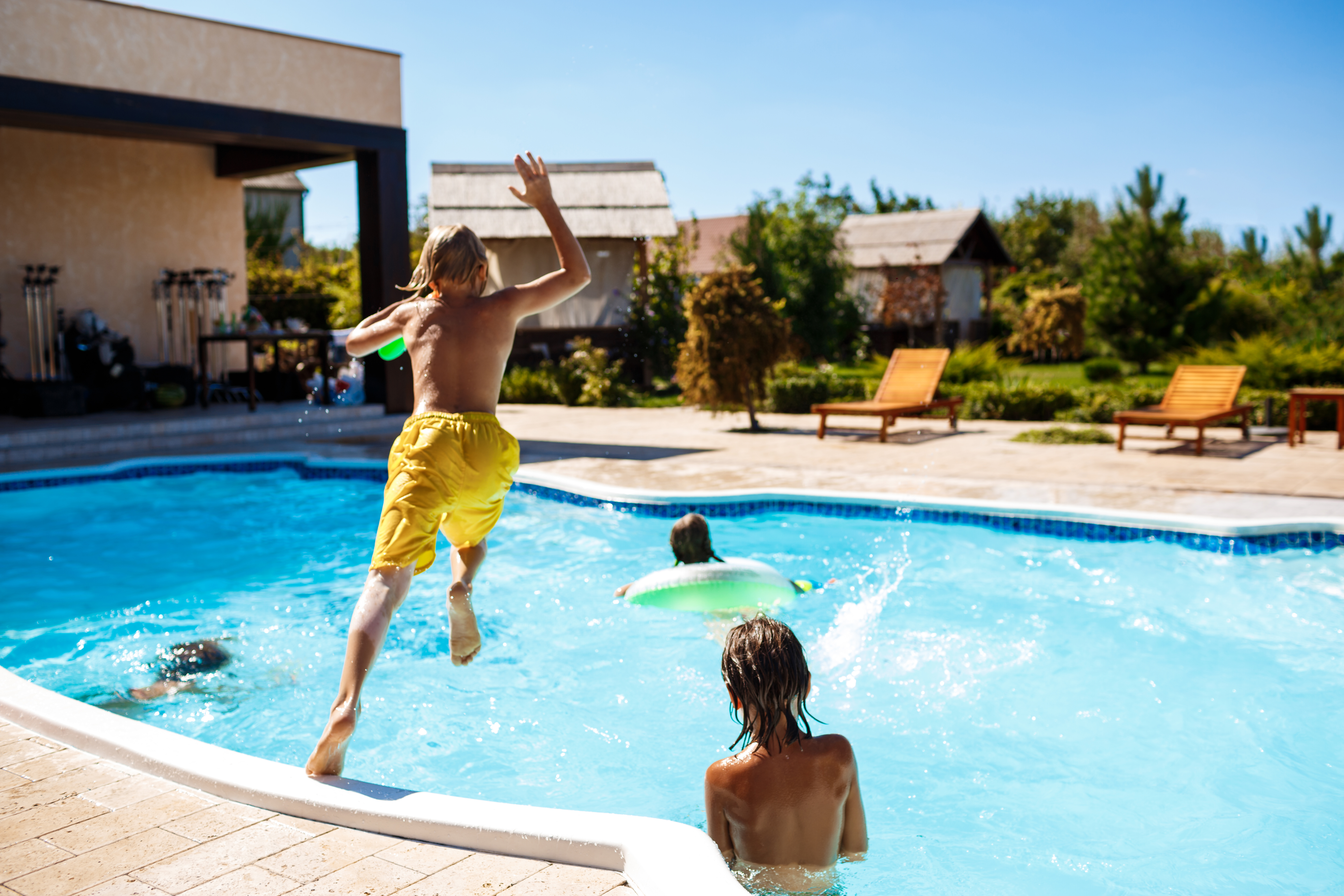
Summer Liability Risks: Pools, Trampolines and Your Coverage
Backyard upgrades like pools, trampolines, and play structures can make summer fun and memorable, but they also introduce additional liability concerns for homeowners. Understanding how your homeowners insurance responds to injuries, safety hazards, and attraction risks can help you enjoy your outdoor space responsibly. With the right precautions, policy awareness, and maintenance habits, you can reduce uncertainty and strengthen your overall protection.
By learning how liability coverage works, reviewing common safety requirements, and recognizing how features such as pools and trampolines affect your policy, you can better protect yourself and your property throughout the summer season.
How Homeowners Liability Coverage Helps
Most homeowners insurance policies include personal liability coverage. This part of your policy is designed to help protect you financially if someone is harmed on your property and you are legally responsible. It may assist with costs such as medical care, legal representation, or settlements resulting from a covered claim.
The Insurance Information Institute notes that liability limits often begin around $100,000, though many homeowners select higher limits for added protection. When you have backyard amenities—especially those that attract children—the chances of injuries naturally increase, making strong liability coverage even more important.
Even so, coverage alone is not enough. Insurance carriers expect homeowners to maintain a reasonably safe environment. If you fail to follow essential safety practices, it may affect how a claim is handled.
The Role of Attractive Nuisance
One concept homeowners should understand is the legal idea of an "attractive nuisance." This refers to a feature on your property that could appeal to children while also presenting a potential danger.
Typical examples include:
- Swimming pools
- Trampolines
- Treehouses
- Backyard playgrounds and swing sets
Children may wander onto a property—even without permission—simply because they are drawn to these features. Since kids may not fully recognize the dangers involved, property owners are often expected to take stronger precautions to prevent injuries.
For many communities and insurance providers, this means installing protections such as fencing around pools, locked gates, or certified safety covers. These safeguards help reduce accidents and demonstrate responsible property ownership.
Policy Rules and Possible Coverage Gaps
Backyard amenities are not all treated the same. Some require specific safety measures to maintain coverage, while others might be excluded entirely depending on the insurer.
Pools are one of the most commonly regulated features. Many insurance carriers require them to be surrounded by a sturdy barrier—often with a self-latching gate—to be eligible for liability protection. Without these measures, a related claim could potentially be declined.
Trampolines may also come with conditions. Certain insurance companies require safety nets, while others exclude trampoline-related injuries altogether. It is essential to confirm where your carrier stands.
Playsets and other outdoor structures must be properly installed and routinely maintained. Failing to follow manufacturer guidelines or allowing structural wear to go unaddressed can increase the risk of injuries and may jeopardize a claim.
Because policies vary widely, reviewing your homeowners coverage with a licensed professional is critical. A policy review can help identify exclusions, verify required safety features, and determine whether your liability limits are sufficient.
Smart Steps to Reduce Backyard Risks
Good insurance is important, but prevention is your first line of defense. There are several practical actions homeowners can take to reduce risks and improve safety around backyard features.
Start by installing required barriers and safety equipment. This might include fencing around pools, protective netting for trampolines, or anchoring play structures securely. Gates that automatically shut and lock are particularly effective in limiting unsupervised access.
Routine inspections are another key step. Weather, heavy use, and age can cause outdoor structures to deteriorate. Look for loose bolts, torn netting, rusting components, or shifting foundations. Addressing wear right away can prevent accidents before they occur.
Posting clear rules or warnings—such as pool instructions or depth markers—can also reinforce safe behavior for guests.
Most importantly, supervision plays a major role in safety. Keeping a close eye on children and guests around potential hazards helps prevent many accidents.
Why Documentation Matters
Keeping records of your safety efforts can be an asset if a liability claim ever arises. Documentation helps show that you took responsible measures to maintain a safe property.
Consider keeping:
- Photos of fences, gates, and safety barriers
- Maintenance logs for backyard equipment
- Receipts for any repairs or safety upgrades
- Notes or records of regular inspections
These materials demonstrate that you have taken safety seriously. While documentation cannot fully prevent liability, it may help support your position during a claim review.
A Quick Backyard Safety Review
Before summer activities begin, you may find it helpful to run through a simple safety checklist:
- Install all required fences, barriers, or covers for pools and other attractive nuisances
- Ensure gates are self-closing and self-latching
- Inspect playgrounds, trampolines, and outdoor structures regularly
- Repair damaged or worn components promptly
- Keep records of maintenance and upgrades
- Review your homeowners liability limits and policy exclusions
These steps, though small, can greatly reduce the risk of injuries and help protect your financial well-being.
Protecting Your Home and Peace of Mind
Backyard amenities can enhance your summer and create joyful memories for your household and community. With strong safety practices and the right homeowners insurance, you can enjoy these features while minimizing potential risks.
If you're unsure whether your current insurance provides the right level of liability protection, speaking with an insurance professional can help. A review of your policy can reveal any limitations, confirm safety requirements, and ensure your coverage aligns with your needs.
If you have questions about homeowners coverage or want to discuss your liability protection, reach out today. A quick conversation can help ensure your outdoor fun stays safe and financially secure.